
Subaru EyeSight Explained
Subaru EyeSight Explained
Posted on August 20, 2026
Subaru EyeSight Explained: How It Works & What Saskatoon Drivers Should Know
Subaru EyeSight® Driver Assist Technology is designed to act like an extra set of eyes on the road. But if you're shopping for a Subaru, terms such as Adaptive Cruise Control, Pre-Collision Braking and Lane Centring Assist can quickly become confusing.
What does EyeSight actually do? When does it intervene? Can you rely on it in Saskatchewan winter conditions? And what should you know if EyeSight becomes temporarily unavailable?
This guide from Subaru of Saskatoon breaks down Subaru EyeSight in simple terms so you can understand what the technology is designed to do and, just as importantly, what it cannot do.
The Simple Explanation
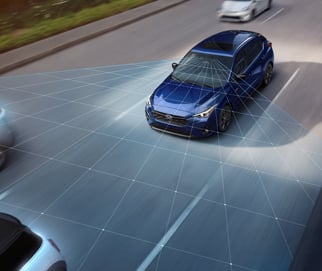
EyeSight is a driver-assistance system. Depending on the Subaru model and model year, it uses cameras to monitor activity on the road ahead. The system can warn the driver and, in certain situations, assist with braking, speed and vehicle positioning.
What Is Subaru EyeSight?
Think of EyeSight as another set of electronic eyes looking through the windshield and monitoring what's happening in front of your Subaru.
Subaru describes EyeSight as an advanced driver-assistance system designed to warn the driver and assist in avoiding or reducing certain potential hazards.
Instead of being one single feature, EyeSight combines several technologies that perform different jobs.
Monitor Traffic Ahead
EyeSight monitors vehicles and other activity ahead of your Subaru to support several driver-assistance functions.
Help Manage Following Distance
Adaptive Cruise Control can automatically adjust vehicle speed to help maintain a selected following distance.
Warn About Potential Collisions
EyeSight can warn the driver when the system detects certain potential collision situations.
Provide Driving Assistance
Depending on the situation and vehicle, EyeSight may assist with braking, throttle control or lane positioning.
1. What Does Subaru Adaptive Cruise Control Do?
Traditional cruise control maintains a speed that you select. Subaru Adaptive Cruise Control goes a step further by also monitoring traffic ahead.
When the system detects a slower vehicle ahead, it can adjust your Subaru's speed to help maintain the following distance you've selected.
This can make longer drives and changing highway traffic easier to manage, but it does not remove the driver's responsibility to monitor traffic and react when necessary.
Example: Highway Driving Around Saskatoon
Imagine you're travelling on a highway outside Saskatoon with cruise control set and you begin approaching slower traffic.
Instead of simply continuing at your selected cruising speed, Adaptive Cruise Control can respond to the vehicle ahead and adjust speed to help maintain the selected following distance.
As traffic conditions change, the driver still needs to remain attentive, monitor surrounding vehicles and be ready to brake or take control whenever necessary.
2. What Is Subaru Pre-Collision Braking?
Pre-Collision Braking is designed to assist when EyeSight detects certain potential collision situations developing ahead of your Subaru.
Depending on the situation, the system can provide a warning to the driver and may provide braking assistance to help reduce vehicle speed.
The goal is to provide another layer of assistance during situations where the vehicle detects a potential frontal collision.
Important to Understand
Pre-Collision Braking is a driver-assistance feature. It should never be treated as a replacement for watching the road, maintaining a safe following distance or applying the brakes yourself.
3. What Is Pre-Collision Throttle Management?
While Pre-Collision Braking deals primarily with slowing the vehicle, Pre-Collision Throttle Management deals with acceleration.
In certain situations, if EyeSight detects an obstacle ahead while the driver unexpectedly applies significant throttle, the system is designed to reduce engine power.
A Simple Example
Imagine your Subaru is stopped or moving slowly and there is an obstacle directly ahead. If the accelerator is pressed unexpectedly, Pre-Collision Throttle Management may reduce available power when the system determines there is a potential collision risk.
It is another example of EyeSight working as an assistance system rather than simply providing a warning.
4. Lane Departure, Lane Keep and Lane Centring: What's the Difference?
These Subaru EyeSight features are easy to confuse because they all relate to where your vehicle is positioned on the road. However, they perform different functions.
Lane Departure Warning
Designed to alert the driver when the system detects that the Subaru may be unintentionally leaving its lane.
Sway Warning
Can provide an alert when the system detects vehicle movement that may indicate the vehicle is wandering within its lane.
Lane Keep Assist
On applicable vehicles, the system can provide steering assistance to help reduce unintended lane departure.
Lane Centring Assist
On applicable vehicles, Lane Centring Assist can work with Adaptive Cruise Control to help keep the Subaru positioned within its detected lane.
Remember
Lane-assistance technology does not mean the vehicle is driving itself. The driver must continue steering, watching the road and maintaining control of the vehicle.
5. What Is Subaru Lead Vehicle Start Alert?
You've probably experienced this situation: you're stopped in traffic or at a traffic light, the vehicle ahead starts moving and you don't immediately notice.
Lead Vehicle Start Alert is designed for this type of situation.
When EyeSight detects that the vehicle ahead has moved while your Subaru remains stopped, the system can provide an alert to get your attention.
It's a relatively simple feature, but it's a good example of how EyeSight isn't only designed around emergency situations. Some functions are intended to support everyday driving awareness and convenience.
EyeSight on the 2026 Subaru Crosstrek
The 2026 Subaru Crosstrek is a useful example of how Subaru continues to integrate EyeSight technology across its vehicle lineup.
The latest EyeSight Driver Assist Technology is standard across the 2026 Crosstrek lineup in Canada. Emergency Stop Assist also becomes a standard EyeSight feature on the 2026 Crosstrek.
For Saskatoon drivers considering a compact crossover for commuting, highway travel, changing weather and everyday driving, understanding these systems can help when comparing trims and features.
Research the 2026 Subaru Crosstrek in Saskatoon
Explore the 2026 Crosstrek lineup, technology, capability and available configurations at Subaru of Saskatoon.
EyeSight and the 2026 Subaru Forester
The 2026 Subaru Forester is another important model for shoppers researching Subaru safety technology, visibility and all-weather capability.
For families, commuters and drivers travelling throughout Saskatoon and Saskatchewan, the Forester combines the practical benefits of an SUV with Subaru's driver-assistance technologies.
If you're comparing Subaru models, it's worth looking beyond individual features and understanding how EyeSight works alongside the vehicle's visibility, all-wheel-drive capability and other safety systems.
Research the 2026 Subaru Forester in Saskatoon
Learn more about Forester technology, capability, specifications and available models at Subaru of Saskatoon.
Does Subaru EyeSight Work in Saskatchewan Winter Conditions?
This is an especially important question for drivers in Saskatoon and throughout Saskatchewan.
EyeSight is designed to assist the driver, but driver-assistance technology can be affected by factors such as weather, visibility, road conditions and vehicle condition.
That becomes particularly relevant during Saskatchewan winters when drivers can encounter blowing snow, frost, snow-covered roads, difficult-to-see lane markings and rapidly changing visibility.
Snow-Covered Roads
When road markings become difficult to identify because of snow or other conditions, lane-related driver-assistance functions may have less information available to determine lane position.
Heavy Snow & Reduced Visibility
EyeSight relies on cameras monitoring the road ahead. Conditions that significantly reduce visibility can affect the system's ability to monitor its surroundings.
Windshield Visibility
Snow, frost, dirt, condensation or other obstructions around the camera viewing area can interfere with the system's view through the windshield.
Icy Roads
Driver-assistance technology cannot create tire grip where there is limited traction. Drivers still need to adjust their speed, braking and following distance for winter road conditions.
EyeSight Does Not Replace Winter-Driving Fundamentals
Proper winter tires, adequate following distance, clear visibility, appropriate speed and attentive driving remain essential when travelling in Saskatchewan winter conditions.
Why Is My Subaru EyeSight Temporarily Unavailable?
Seeing an EyeSight warning or temporarily unavailable message does not automatically mean there is a major mechanical problem with your Subaru.
Because EyeSight depends on being able to monitor the road ahead, certain environmental or vehicle conditions can affect system operation.
If EyeSight becomes unavailable, consider what is happening around the vehicle before assuming the system has failed.
Snow or Frost
Check whether snow, frost or ice is affecting visibility through the windshield around the EyeSight camera viewing area.
Dirt on the Windshield
A dirty or obstructed windshield can interfere with the camera's ability to clearly monitor the road ahead.
Poor Visibility
Heavy precipitation, fog and other conditions that significantly reduce visibility may affect EyeSight operation.
Road Conditions
Snow-covered or difficult-to-see road markings can affect certain lane-related assistance functions.
What Should You Do If the Warning Doesn't Disappear?
If driving and visibility conditions improve but an EyeSight warning remains, consult the instructions for your specific vehicle in your Subaru Owner's Manual.
If you still have concerns, the Subaru of Saskatoon service team can help inspect the vehicle and determine whether further attention is required.
What Subaru EyeSight Does NOT Do
Understanding EyeSight's limitations is just as important as understanding its features.
Terms such as Pre-Collision Braking, Adaptive Cruise Control and Lane Centring can make modern vehicles sound highly automated. But EyeSight remains a driver-assistance system.
It Doesn't Make Your Subaru Self-Driving
The driver remains responsible for controlling the vehicle, monitoring traffic and making driving decisions.
It Doesn't Replace Your Attention
Driver-assistance technology should never be treated as permission to stop watching the road or surrounding traffic.
It Can't Overcome Road Conditions
Snow, ice, available tire traction and visibility still affect how your vehicle can accelerate, steer and stop.
It May Not Perform the Same in Every Situation
Weather, visibility, road conditions, vehicle condition and other factors can affect driver-assistance system performance.
Why Your Windshield Matters to Subaru EyeSight
Because the EyeSight cameras look through the windshield, the condition and visibility of this area are important to system operation.
Keeping the windshield clean and clear becomes especially important during Saskatoon winters when frost, road spray, snow and dirt can quickly accumulate.
Owners should also follow the instructions in their specific Subaru Owner's Manual regarding the EyeSight camera area and windshield.
If your windshield is damaged, replaced or you continue receiving EyeSight warnings, it may be worth speaking with a Subaru service professional rather than simply ignoring the warning.
Have an EyeSight Concern?
If an EyeSight warning remains or you have questions about the system in your Subaru, schedule an appointment with Subaru of Saskatoon.
Why EyeSight Matters When Shopping for a Subaru
Safety technology can sometimes become a checklist of feature names when you're comparing vehicles. Understanding what each feature actually does gives you a better way to evaluate a Subaru.
Instead of simply asking whether a vehicle "has EyeSight," consider how the individual features fit your normal driving.
Daily Saskatoon Commuting
Features designed around following distance, collision warnings and everyday driving awareness may be relevant during changing city traffic.
Highway Driving
Adaptive Cruise Control and applicable lane-assistance technologies can provide additional support during longer highway trips.
Winter Driving
Understanding EyeSight's capabilities and limitations is particularly important when visibility and road conditions change.
Choosing Your Subaru
Feature availability can vary by model, model year and trim, so research the specific Subaru you're considering rather than assuming every vehicle has identical functionality.
Explore Subaru Vehicles in Saskatoon
If EyeSight and advanced driver-assistance technology are important parts of your next vehicle decision, explore the current Subaru lineup available through Subaru of Saskatoon.
2026 Subaru Crosstrek
Research the 2026 Crosstrek, including its technology, capability and features for Saskatoon and Saskatchewan driving.
2026 Subaru Forester
Explore the Forester's combination of visibility, all-weather capability, safety technology and everyday SUV practicality.
Browse New Subaru Vehicles
Compare new Subaru models currently available through Subaru of Saskatoon.
Frequently Asked Questions About Subaru EyeSight
What is Subaru EyeSight?
EyeSight is Subaru's advanced driver-assistance technology. Depending on the model and model year, it uses cameras to monitor the road ahead and support a range of driver-assistance functions.
Does Subaru EyeSight drive the vehicle for you?
No. EyeSight is a driver-assistance system, not autonomous driving technology. The driver remains responsible for safe, attentive driving and control of the vehicle.
Can Subaru EyeSight automatically brake?
Pre-Collision Braking can provide braking assistance in certain situations when the system detects a potential collision. It should never be treated as a replacement for the driver's own braking.
Does Subaru EyeSight work in snow?
EyeSight can operate in winter conditions, but weather, visibility and road conditions can affect system performance. Snow, poor visibility and difficult-to-see lane markings may affect certain functions.
Why did my Subaru EyeSight become temporarily unavailable?
Certain environmental or vehicle conditions can affect EyeSight operation. Snow, frost, windshield obstruction, reduced visibility and difficult road conditions are examples of factors worth checking. Refer to your Owner's Manual for instructions specific to your Subaru.
What should I do if my EyeSight warning stays on?
If conditions improve but the warning remains, consult your Subaru Owner's Manual. If you continue to have concerns, schedule an inspection with a Subaru service professional.
Is EyeSight standard on the 2026 Subaru Crosstrek?
Yes. EyeSight Driver Assist Technology is standard across the 2026 Subaru Crosstrek lineup in Canada.
Does EyeSight replace winter tires?
No. EyeSight is driver-assistance technology. It does not replace appropriate tires, available traction, safe following distances or adjusting your driving for winter road conditions.
Experience Subaru Technology in Saskatoon
Reading about EyeSight can help you understand the technology, but experiencing Subaru driver-assistance features from behind the wheel can make them much easier to understand.
Explore new Subaru vehicles available at Subaru of Saskatoon, or learn more about the 2026 Crosstrek and 2026 Forester.
EyeSight® is a driver-assistance system and is not a substitute for safe and attentive driving. System availability, functions and performance can vary by Subaru model, model year, trim, vehicle condition, weather and road conditions. Always refer to the Owner's Manual for your specific Subaru for complete operating instructions, warnings and limitations.